
If you enjoyed Part 1 and learned a few cool traps, then get ready because in this part we’ll go even deeper into the Italian Game and look at how you can turn stable positions into aggressive attacks.
The Italian Game isn’t just for beginners. Even top grandmasters like Carlsen, Aronian, and Anand use it regularly. Why? Because it is easy to learn, full of tactics, and teaches the basics of good chess. So, let’s continue our Italian journey and make this opening even stronger for you.
1. Positional Advantage with a Dangerous Fork Threat
The game starts with the classic setup:
1. e4 e5 2. Nf3 Nc6 3. Bc4 Bc5 4. Nc3 Nf6 5. d3 d6
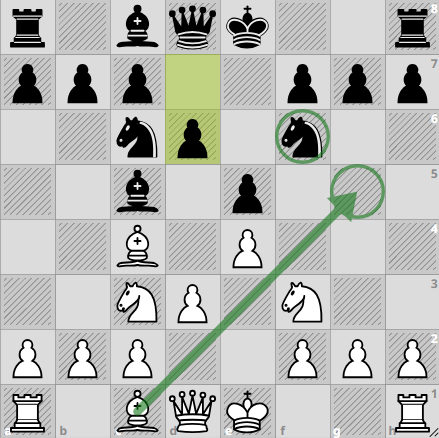
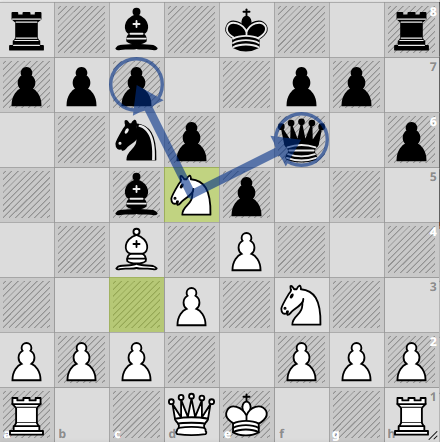
Now comes your first powerful idea: play Bg5!
This move pins the knight on f6 to the queen. Most players get annoyed and try to break the pin with .h6. You simply trade the bishop for the knight: Bxf6, and after Qxf6, you jump in with Nd5!
This is a very beautiful move. It threatens the queen and the c7 pawn, with the threat of the famous Nxc7 fork hitting both rook and king. Even if black defends well, your position becomes super active. You control the centre and can attack from both sides. That’s how Italian players build long-term pressure, one idea at a time.
2. The Belloni Gambit Trap
Now let’s explore a sneaky one, the Belloni Trap, a hidden gem inside the Italian.
It begins with:
1. e4 e5 2. Nf3 Nc6 3. Bc4 Bc5 4. c3 d6
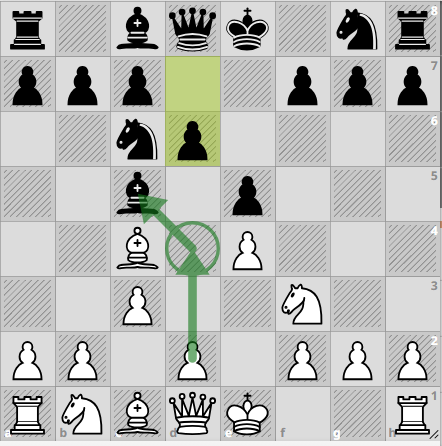
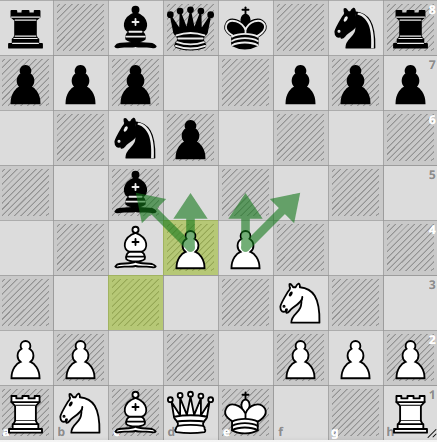
Here, you do not play d3, but rather c3, intending to strike with d4. This is a setup to break open the center and take space.
Sometimes Black will try to disturb you with Bb4+, giving you a check.
Most players panic or block, but the cool-headed move here is:
???? Kf1!!
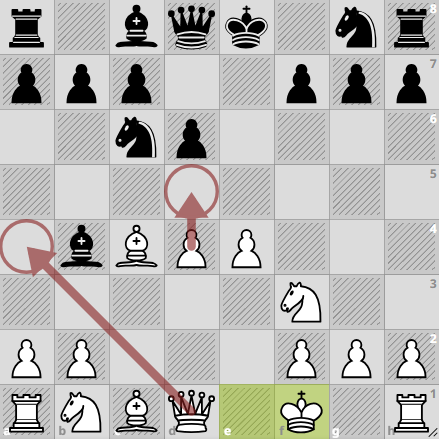
You move your king! It looks strange since it removes your castle rights away, but this move is genius.
Now if black plays anything careless, just like moving another piece or ignoring the bishop, you strike with the brilliant move d5! This cuts off the knight’s protection of the bishop, and after Qa4+, you win the bishop cleanly.
But what if black plays something more solid, like Bd7, trying to stop any checks?
Even better for you! Because now you can play Qb3!!, creating a deadly battery with your bishop on c4 and staring right at the f7 square, which is now extremely weak.
At this moment, black is under enormous pressure, defending f7, worried about the center, and struggling to complete the development. You’ve already taken the initiative and are ready to launch a full attack.
3. The Greco Gambit
Now, let’s go on to another exciting trap: the Greco Gambit, which has been named after the legendary Italian chess player Gioachino Greco.
It begins with the following:
1. e4 e5 2. Nf3 Nc6 3. Bc4 Bc5 4. c3 Nf6 5. d4 exd4
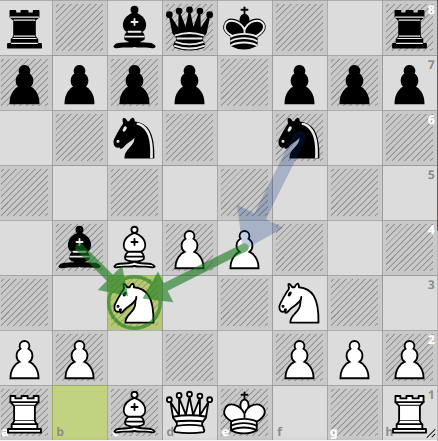
Here, instead of rushing to capture back, you play Nc3, calmly developing another piece. It might look like you’re giving away your e4 pawn, and at first, it seems like black has a strong position because of the pressure on your c3 square.
But now here comes the fun part: you just castle!
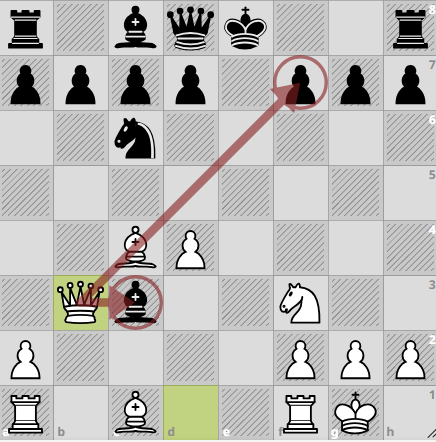
You completely ignore the tension on c3. If black gets greedy and captures with Bxc3, that’s when your hidden plan comes to life.
Now you strike with Qb3!!, a powerful move that attacks both f7 and b7, while your bishop on c4 and rook on f1 are ready to join the attack. Even though you’ve just sacrificed your rook, your active pieces create a dangerous attack that can quickly crush black if they’re not careful.
The Italian Game appears to be a quiet opening, but it is actually full of deadly traps and sharp tactics. Learning those ideas is key to recognizing patterns quicker and thus turning simple positions into wins.
At The New England Chess School, we love helping students learn openings like the Italian through real-game examples and fun practice matches. So, keep reading, keep playing, and try to shock your opponent with the new traps you learned!