Chess, by contrast, does not make headlines with a buzzer-beating dunk or a dramatic finish. Yet for kids specially in disadvantaged communities, chess quietly brings them something far more lasting: the ability to think critically, manage their emotions, and build confidence that will stay with them throughout their whole lives. Unlike many extracurricular activities, chess requires little to get up and running. A simple board, a few volunteers, and a safe space are enough. It’s inexpensive, easy to learn, and endlessly rich in lessons that spill over into the classroom and everyday life. If we are serious about interventions that develop minds, resilience, and self-assurance, chess belongs at the center of our toolkit in developing young people.
Developing Thinking Abilities
Chess has been described time and again as gymnastics for the mind. Every move necessitates planning, pattern recognition, calculation, and problem-solving. These very skills support academic development. Studies have shown that children who play chess regularly improve in math, reading comprehension, and standardized testing.
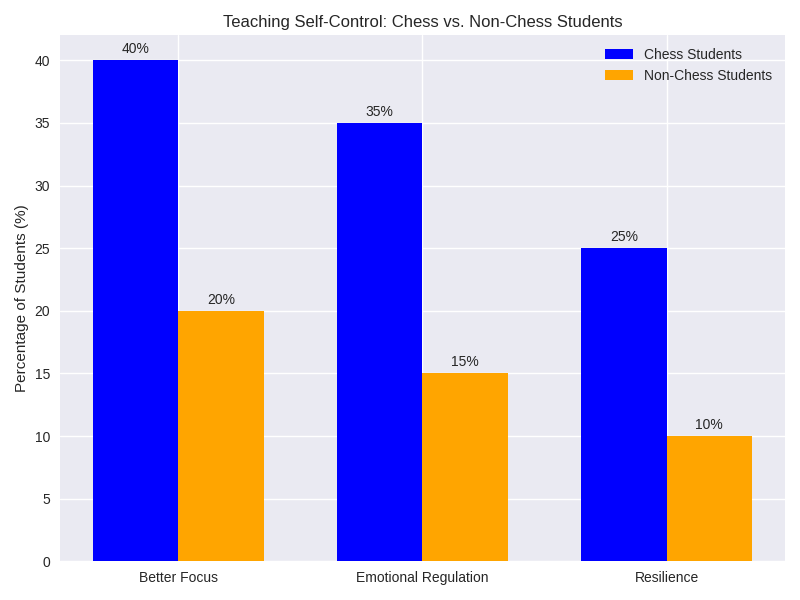
Chess teaches them not to panic when the problem looks complicated but to break it down step by step. Teaching Self-Control In disadvantaged communities where stress and frustration can be a daily reality, chess becomes a venue for learning emotional control. Players learn to control anger after a blunder, accept losses graciously, and stay focused under pressure.
Imagine a young player who loses a queen early in the game. The instinct might be to give up, but chess teaches resilience: fight on, use what remains, and search for counterplay. This lesson in perseverance is too like life itself. Mistakes do not define you, but how you respond to them does.
Discipline and Delayed Reward
Chess pays off for those who study and have patience. Success does not come from shortcuts but from consistent practice and long-term effort. For children who sometimes don’t see the connection between hard work and achievement, chess makes that relationship tangible. A student who spends weeks mastering endgame techniques eventually experiences the joy of converting a tricky position into a win. That delayed gratification reinforces the idea that persistence pays off-a lesson that extends far beyond the board.
Low Cost and Equitable
Unlike sports that require expensive equipment or facilities, chess is remarkably accessible. A single board can serve dozens of children, and volunteers can run clubs with minimal resources. This makes chess an equitable option for communities where budgets are tight but the need for enrichment is high.
Social Opportunity and Safe Spaces
Chess clubs provide more than games. They create mentorship, friendships, and safe havens after school. For many children, these clubs are places where they feel valued and supported. Take the example of Chess in the Schools in New York City. Implemented in numerous Title I elementary schools, the program offered daily lessons and after-school clubs. Teachers reported that participating students showed improved concentration, better teamwork, and greater willingness to tackle challenging assignments (Anon., 2006). The impact was clear. Once children learn to sit with a difficult chess problem and try different solutions, they carry that persistence back into the classroom.
If you’re looking for a low-cost, evidence-based way to help kids build cognitive skills, emotional strength, and easier routes through school, chess is a smart bet. It may not be flashy, but it’s potent. A quiet catalyst that-when deployed thoughtfully, it can unlock doors both on and off the board.
For disadvantaged communities, chess is more than a game. It’s a tool of empowerment, a bridge to academic success, and a lifelong friend along the journey of growth. Without wasting time, feel free to reach out to The New England Chess School and check out our best coaches for youngsters.