
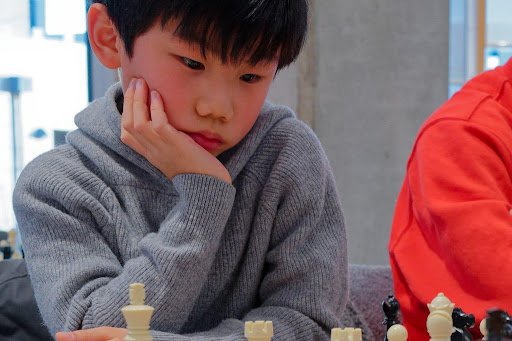
Let’s talk about a child whose talents almost seem unreal. This is Ethan Pang, a youngster from London who has made history well before his tenth birthday. A journey not less inspiring for the students than for the parents, who love to see what curiosity and dedication can build.
How It All Began
Ethan was born on 20 March 2015, and during the long COVID lockdowns, he suddenly found himself having much time at home. While most kids would turn to screens or toys, Ethan found chess. By age five, he already had a natural feel for the game. He liked solving puzzles, finding patterns, and thinking ahead. His parents also saw the spark in his interest and encouraged him as he began to take chess seriously.
By the time Ethan was seven years old, he had already won a place in the England team competing in the European Youth Chess Championship 2022. For most children that would be a once-in-a-lifetime moment; for Ethan, it was only the beginning of something very special.
Breaking Records Before Reaching Double Digits
The year 2024 proved to be a turning point. In June, Ethan became the youngest ever to attain a FIDE rating of 2200, thereby earning the title of Candidate Master and bringing him in the international limelight. Though this record was later surpassed by another player, still the feat achieved by Ethan is a milestone in chess history.
That was not all… a few months later, in September 2024, Ethan stunned the chess world by beating three grandmasters in one classical tournament in Budapest. These were not blitz games that are played fast. These were long, serious games where experience usually wins. Yet he kept his nerves, played with confidence, and showed maturity years beyond his age.
The grandmasters he defeated, Milan Pacher, Attila Czebe, and Zoltan Varga, combined decades of tournament experience. Still, Ethan handled each game with patience and precision. Chess columnist Leonard Barden characterized the achievement as something truly rare for a player under ten.
Then came November 2024, when Ethan set his next record, becoming the youngest player in the world to cross the 2300 rating barrier. The FIDE Master title followed, placing him among the strongest young players in the world.
A Closer Look at One of His Best Games – Ethan Pang vs GM Milan Pacher, Budapest 2024
One of the most memorable victories by Ethan came against GM Milan Pacher. This game was a great example of how a young mind can keep up its focus even in an endgame that has been intense. Having won a pawn around move 23, Ethan slowly improved his position and never gave his opponent any chance.
Ethan started with the Open Sicilian variation that seemed pretty balanced for both sides.
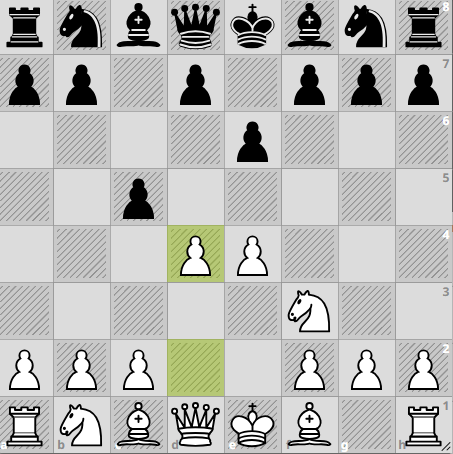
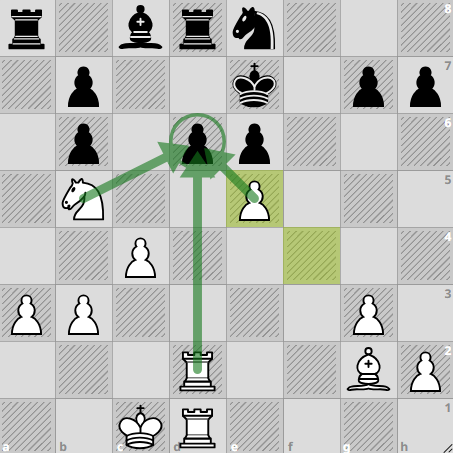
In the middle-game he managed to gain a passed pawn advantage by spotting the weakness in pawn structure that turned out significantly in the Favor of Ethan in end-game.
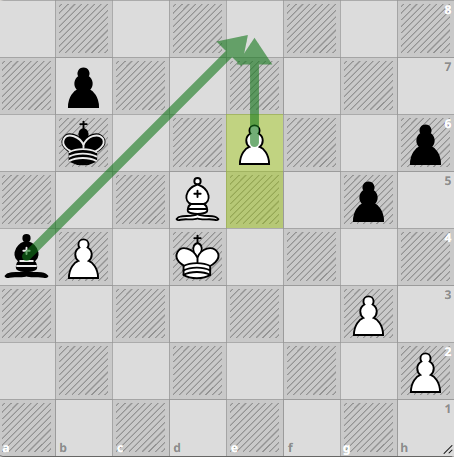
And in this final position, just notice how he harmonized the pieces. Not flashy, not race-to-finish chess, just clean and thoughtful chess. This passed pawn became so powerful that it dominated the bishop. It is the type of game coaches love showing students because it teaches patience, planning, and confidence.
Life Outside the Chessboard
With all these achievements, Ethan is still a regular child in many ways. He goes to Westminster Under School, spends time with friends, and manages to balance his schoolwork with training. That is what makes him special, not only because he is gifted for chess but also, he is so disciplined and in love with learning. Parents often wonder what helps a child grow into a strong player, and Ethan’s story shows that curiosity, support, and steady practice can go a long way.
Ethan’s story reminds us that big dreams can start early, and when the environment and encouragement are just right, children sometimes surprise us with what they are capable of. His story inspires young players to explore their potential and gives parents a wonderful example of how passion can grow into something extraordinary. At The New England Chess School, we love sharing stories like Ethan’s because it signals what is possible when a young mind falls in love with the game.