
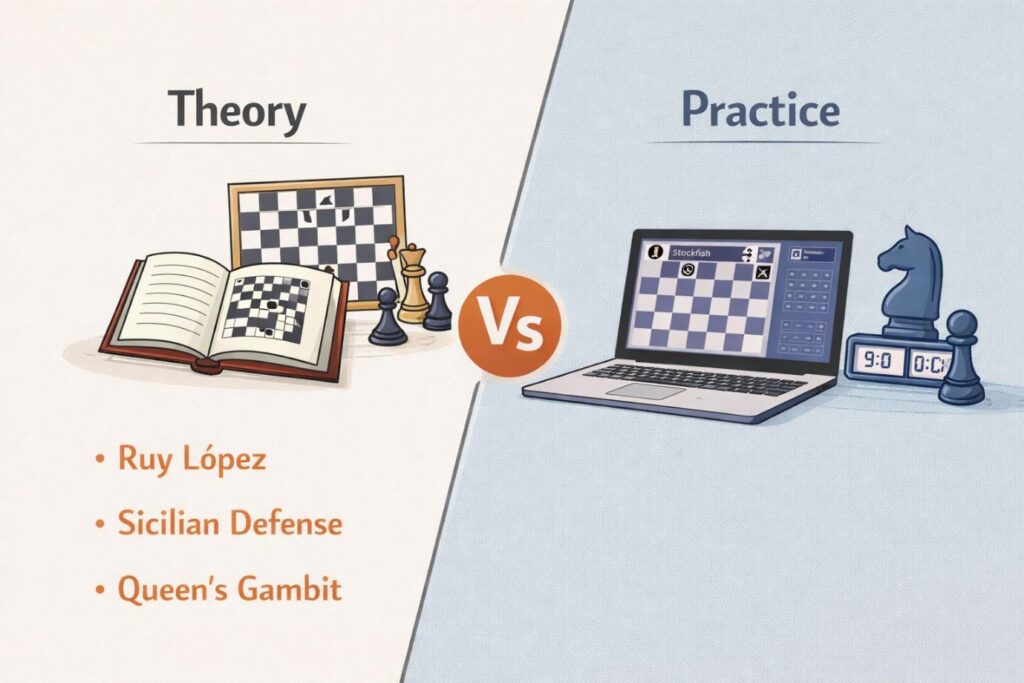
Understanding Theory and Practice
Theory in chess is the collective knowledge that we have gathered over the centuries. It is the body of knowledge that helps us to develop our pieces in the opening stage of the game, build our plans in the middlegame, and follow precise rules in the endgame. It is clean and logical and is usually laid out in books or databases that make it seem obvious.
The reality of practice is rather different. It is the time when the clock is running against us, when we are tired and when our opponents are making every attempt to make things complicated. The difference between theory and practice is that theory is what we know and practice is what we can actually do.
Why This Difference Matters
Chess players invest significant time in studying openings, memorizing variations, and practicing endgames. However, in actual games, positions do not always occur exactly as they do in theory. A minor variation in the openings could result in unfamiliar middlegames. A miscalculation in an otherwise winning endgame could result in a draw. The need for understanding this difference is evident. It is not just knowledge that is essential but also the ability to apply that knowledge at appropriate times.
Example: Firouzja vs Caruana, Superbet Romania Classic 2025
This game is a vivid reminder that theory and practice are worlds apart. The position had become a critical rook endgame. The theory in this position was that the rook had to be placed behind the opponent’s passed pawn.
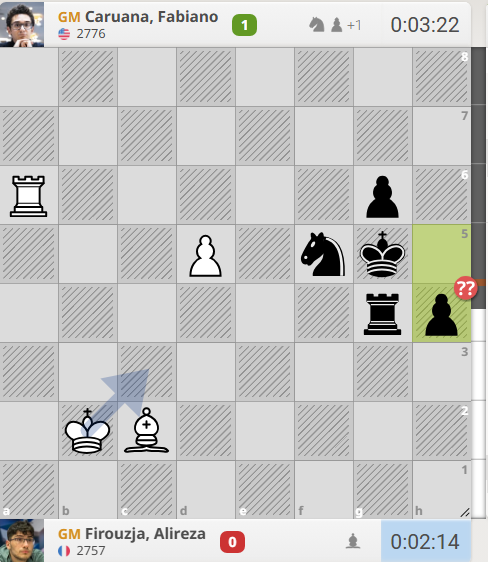
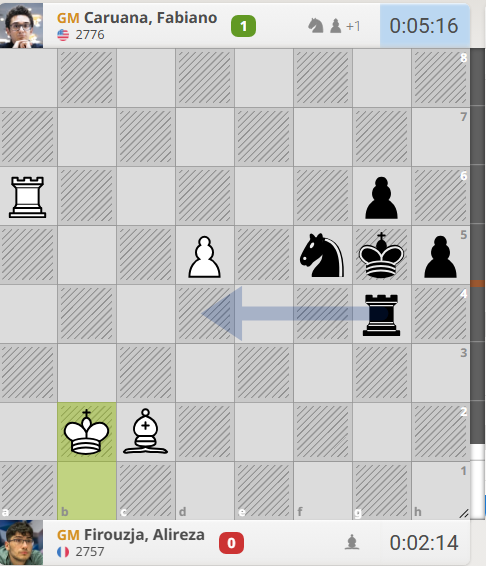
However, Caruana had the option to play 56… Rd4, which would have simplified his task and given him an easy win. However, he chose 56… h4 instead, which looked like a reasonable move but allowed Firouzja’s pawn to get too close to promotion.
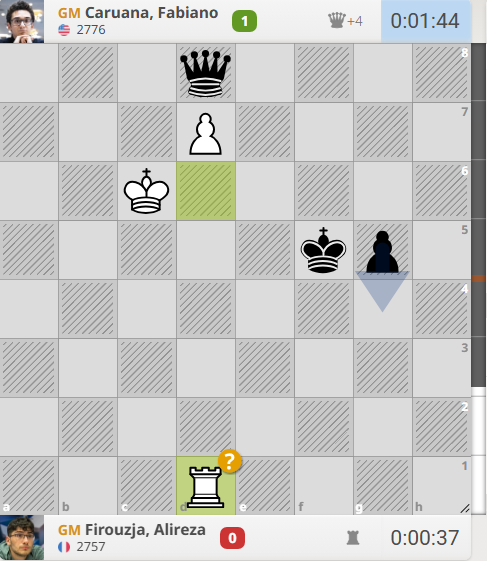
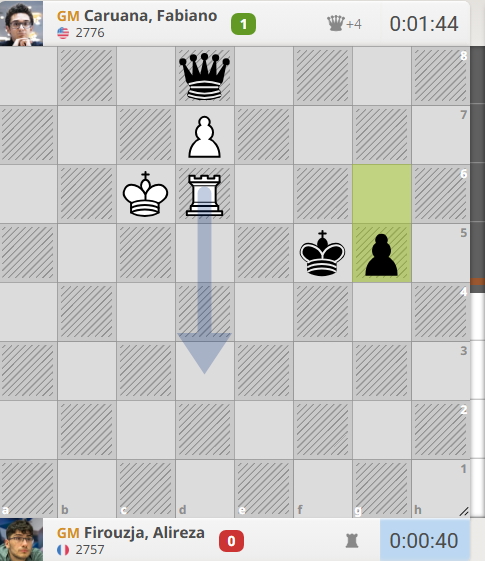
The game then became extremely complicated. Firouzja launched a fierce counter-attack, and the position became a queen and rook endgame with pawns remaining on the board. There was a point at which Firouzja had only one move available to save the game, according to tablebases. That move was 65. Rd3!!. This move would have given him a draw. However, he did not play that move; instead, he chose 65. Rd1.
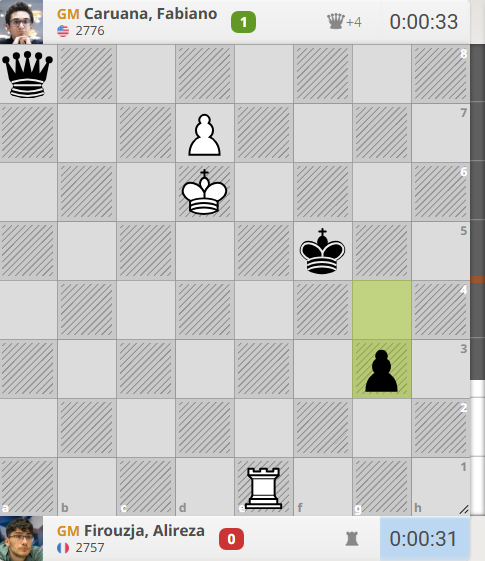
Caruana then showed everybody why he is rated as one of the world’s best endgame players. He went through many winning conversions and also carefully advanced his pawns. He was also accurate in his endgame play and went on to win.
This example shows both sides of the theory-practice divide. Caruana knew the principle but did not apply it at the critical moment. Firouzja knew the defensive resources but missed the exact move under pressure. In practice, both players stumbled, yet Caruana’s resilience and technique carried him through.
Lessons Across All Phases of the Game
However, the gap between theory and practice is not only in the endgames.
- In the opening, one might memorize moves but forget them or apply them incorrectly when surprised by their opponent.
- In the middlegame, one might know their plan in theory but be forced to improvise due to the complexity of the game.
- In the endgames, one might know their principles but be too tired to apply them precisely.
While the game between Firouzja and Caruana is only an example, similar phenomena can be found in every phase of the game.
How to Bridge the Gap
Research in performance psychology provides several strategies that could be used to close the gap. Players should engage in deliberate practice, which involves focusing on applying what is learned. Players should also simulate tournament conditions with shorter time controls. Reflecting on games played is also beneficial in identifying what went wrong in not applying what is learned.
Conclusion
Theory is the map, practice is the journey. Openings, middlegames, and endgames all have examples that demonstrate how players could have known what to do but still struggled with applying what is known. The Firouzja–Caruana game is an example of how even grandmasters struggle with applying what is known. To be good at chess is not simply knowing the rules but also being able to apply what is known.
For students and readers of The New England Chess School, there is much value in what is being discussed. Knowing theory is important, but it is in practice that players develop.