
Castling is generally the king’s best insurance policy. It puts him in a safe place behind the pawns, and the rook gets to join the action for a change. However, the catch is that castling can become the worst move under certain circumstances.
If you want to move beyond beginner’s blunders and stop losing to arbitrary pawn rushes or traps, you have to know when not to castle. So, let’s go over the 4 situations every chess player should be careful of below conditions.
1. When Your Pawn Shield Is Broken
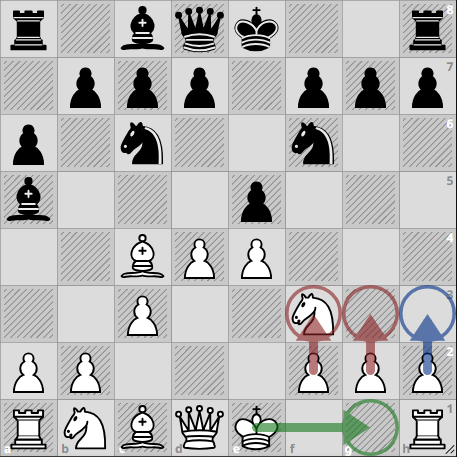
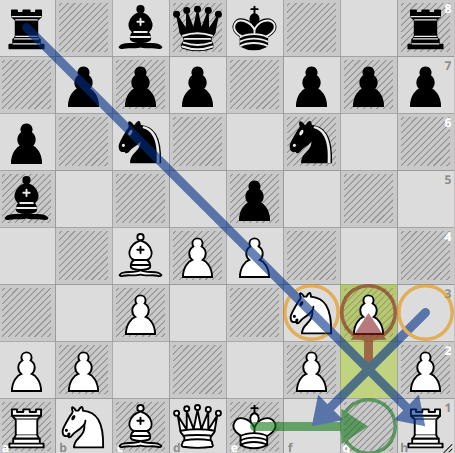
The king’s security depends on the pawns in front of him, especially the f, g, and h pawns. Pushing them too early makes the “shield” more like a leaky umbrella than a fortress.
Moved the f or g pawn? Castling can get a bit hairy because the king is exposed. The only exception is pushing the h3 pawn, which compromises security a little but prevents back-rank mates.
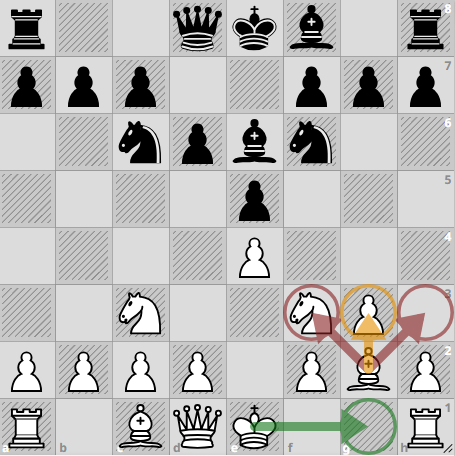
The other exception is pushing the g3 pawn, putting the bishop on g2. The bishop acts as a bodyguard, covering the same squares as the pawn.
So, before you castle, you should take a quick look at your pawn structure. If it’s full of holes, your king might be safer staying put for a while.
2. When Your King Is Safer in the Center
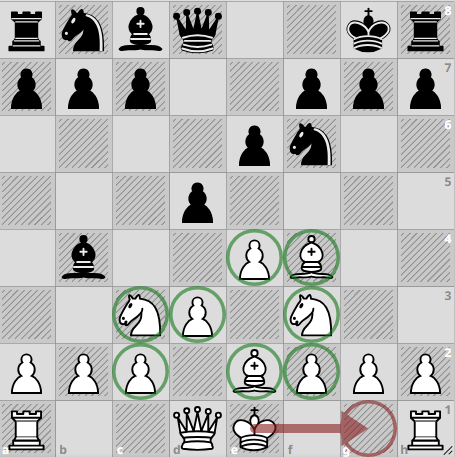
Sometimes your pawns in the middle are just so strong that your king is safer in the middle than almost anywhere else. In these cases, castling doesn’t make your king safer; it makes him less safe by removing him from his comfortable bunker.
The key here is to leave the possibility open. If your center collapses later in the game, castle. Don’t do it just because you feel like you “have to.” Chess isn’t about blindly adhering to a set of rules; it’s about using your brain and choosing what’s best. A king in the middle can be safer than a king in a corner.
3. When Your Opponent Is Setting Up a Kingside Attack
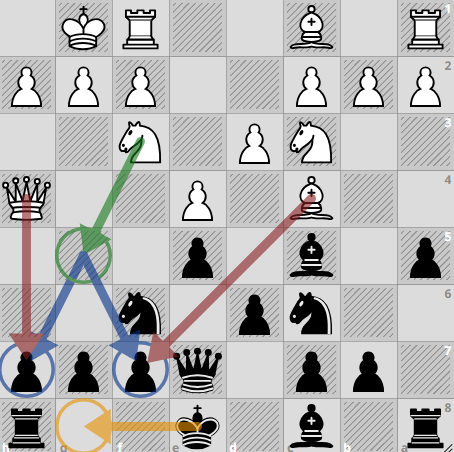
When your opponent is stacking pieces on the kingside, castling on the kingside is like walking into a trap. You are, in effect, saying, “Here is my king, checkmate me.” However, the best defense against a kingside attack is not to castle on the kingside. Sometimes, the only defense is not to walk into the trap. You don’t always have to hide your king. Sometimes, the only defense is to wait a little longer.
4. When There’s a Greek Gift Sacrifice Waiting
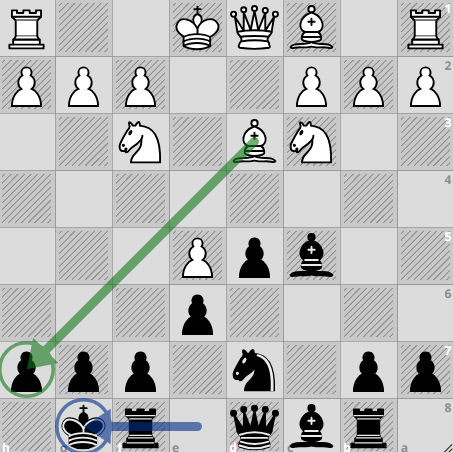
The classic trap. White castles away, then all of a sudden, Bxh7+ appears on the board, the famous Greek Gift sacrifice.
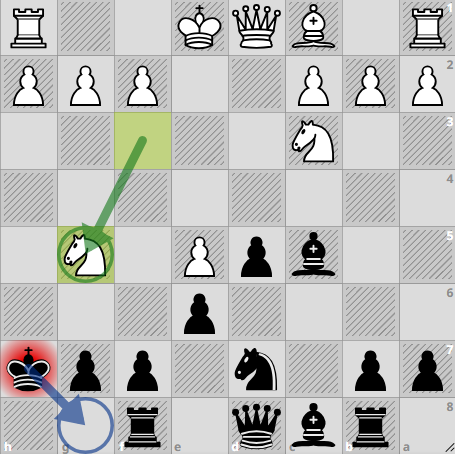
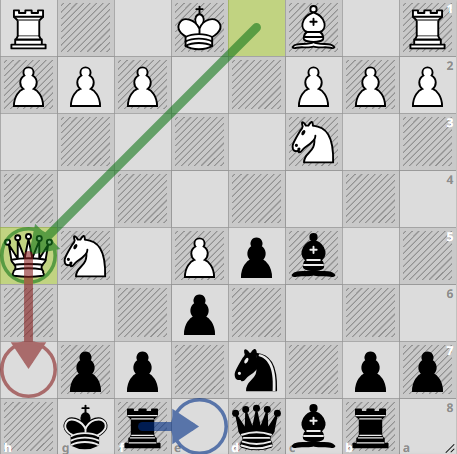
You capture the bishop, your king goes into the graveyard, the knight jumps into action, and before you know it, checkmate is looming over your head. It’s a ruthless trick that has ended many a game for unsuspecting opponents, leaving them wondering what just hit them.
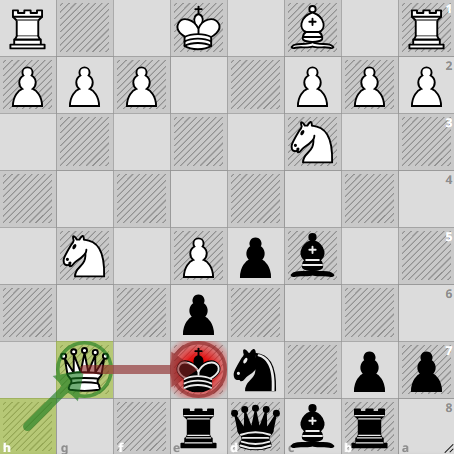
If you see this coming, then don’t castle into it. Learn from the warning signs and keep your king safe from your opponent’s Greek Gift sacrifice.
Final Thoughts
Castling is a powerful move, but it’s not always a good idea. Knowing when not to castle will get you out of embarrassing blunders and from being a beginner to someone who actually knows what they’re doing on the board.
Learning these scenarios will get you winning more games than you’re used to, avoiding pawn storms, and laughing at your opponents’ failed attacks. Keep following The New England Chess School for more tips and tricks.